
Blog
All
Blog
Asset & Trailer Tracking
Cold Storage
Connectivity
Container Shipping
IoT
Product-Level Monitoring
Reefer Monitoring
Small and Midsize Fleets
Temperature Monitoring
Transportation
Warehouse Monitoring
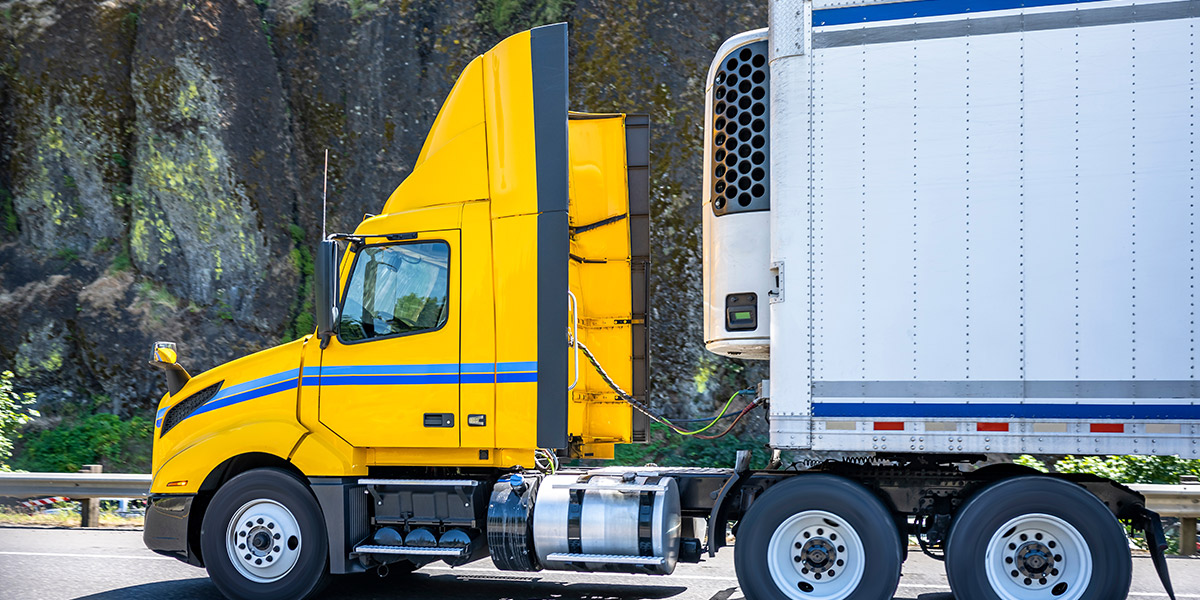
Temperature Monitoring 101: Revisiting the Basics
Food safety begins with understanding why temperature monitoring is so important – here are the important things to know and to revisit

Are You Equipped for Growth?
Whether you’re looking to add stores or meet growing demand at your existing locations, it’s time to evaluate your cold chain – and your commitment to food safety

Sweltering Heat Underscores the Importance of Food Safety
Rising temperatures make monitoring temperatures a critical necessity
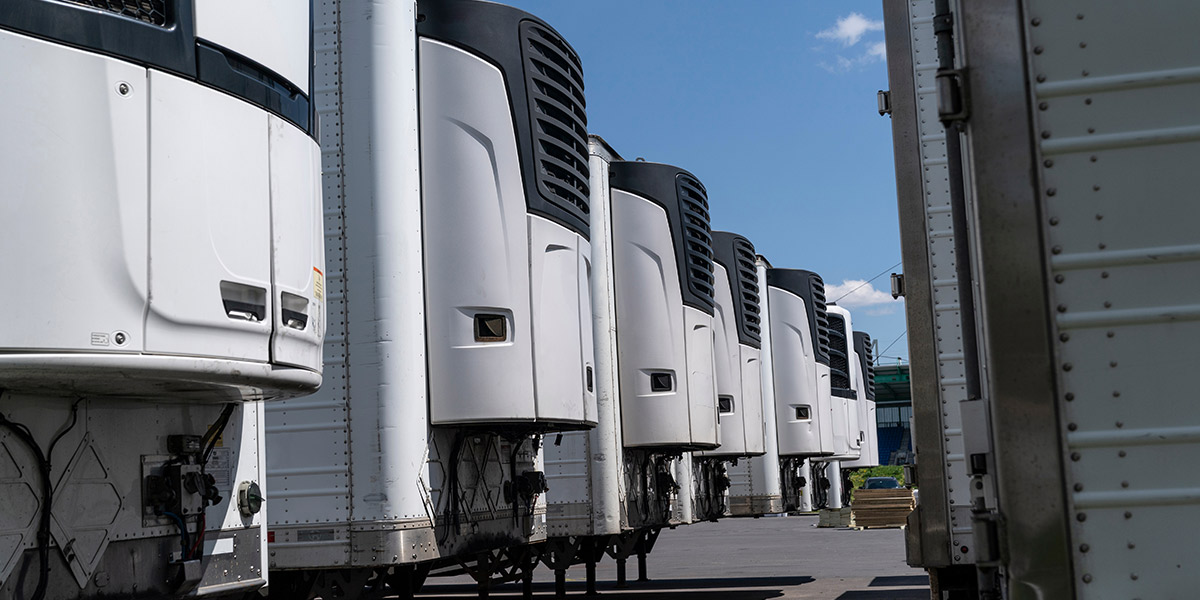
5 Questions You Need to Ask About Temperature Monitoring and Costs
For peace of mind when it comes to food safety and compliance, you need to answer these critical questions.

For Grocers, With Total Control Comes Great Opportunity
Grocers control their entire cold chain. That also means they have the power to control the costs associated with keeping food safe.
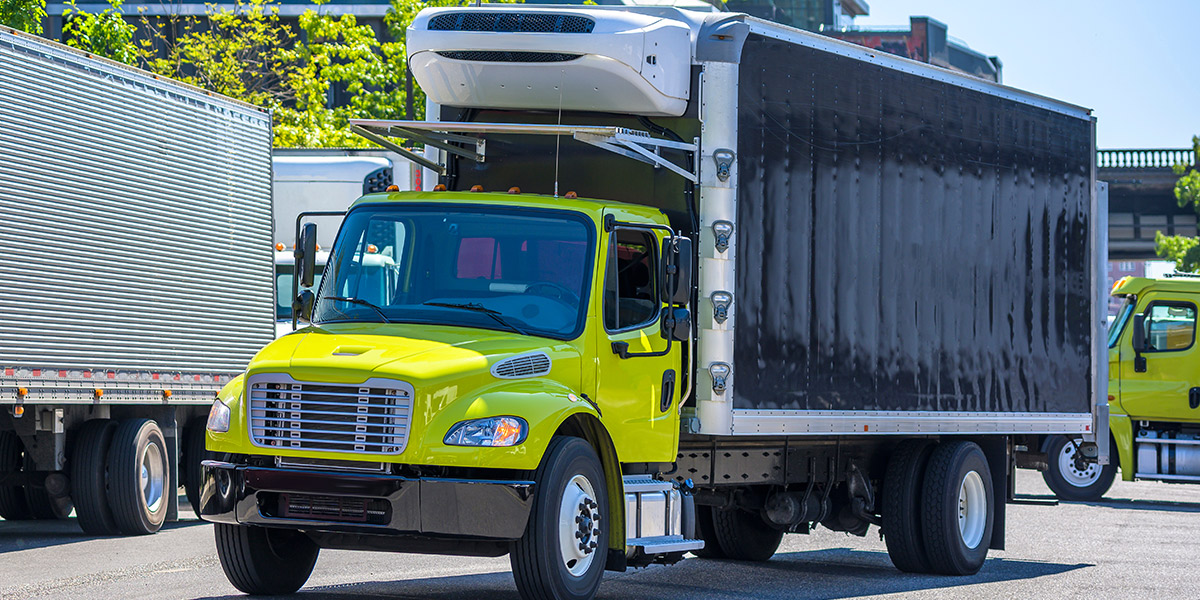
How Temperature Monitoring Can Differentiate Your Business
As a smaller company you can compete with the giants – and realize a strong ROI – by committing to the transport of fresher, safer food
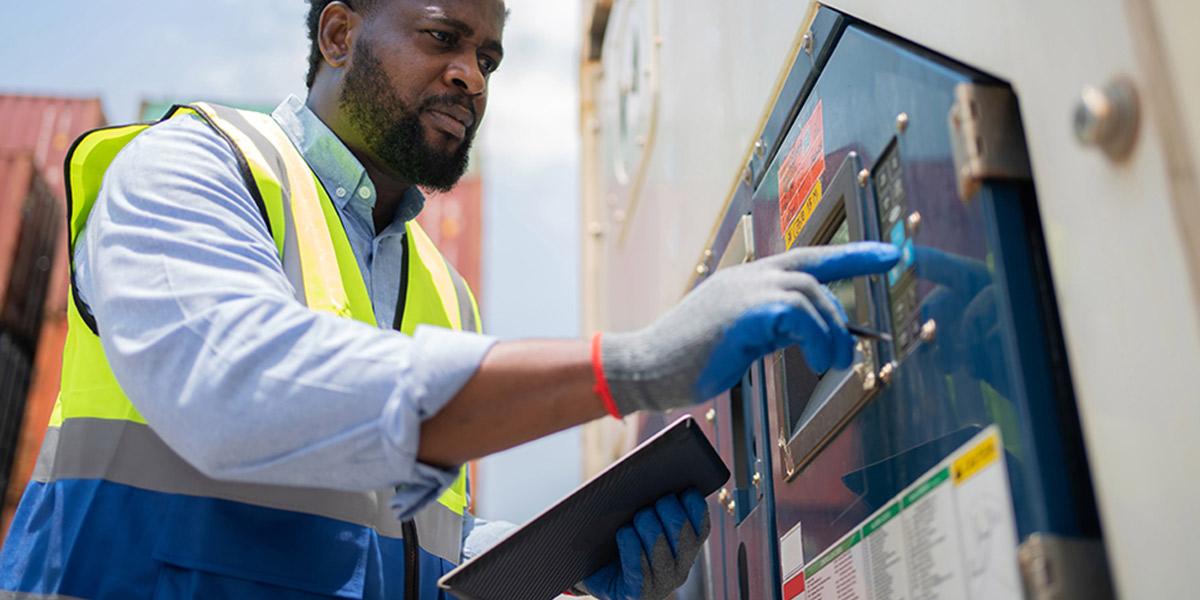
Temperature Monitoring: The Secret Weapon Your Business Needs
From easy-to-install sensors to easy-to-use data, a temperature monitoring system is a simple yet game-changing solution that pays off in multiple ways.

Spring is the Time to Take a Fresh Approach to Temperature Monitoring
With a fresh array of produce and meats available for spring, keeping it all safe during transport should be a bottom-line priority.

In Transporting Food, You Can’t Afford the Risk of a Foodborne Illness
When food isn’t kept at a safe temperature – at every step in its journey – the consequences to your company can be huge.
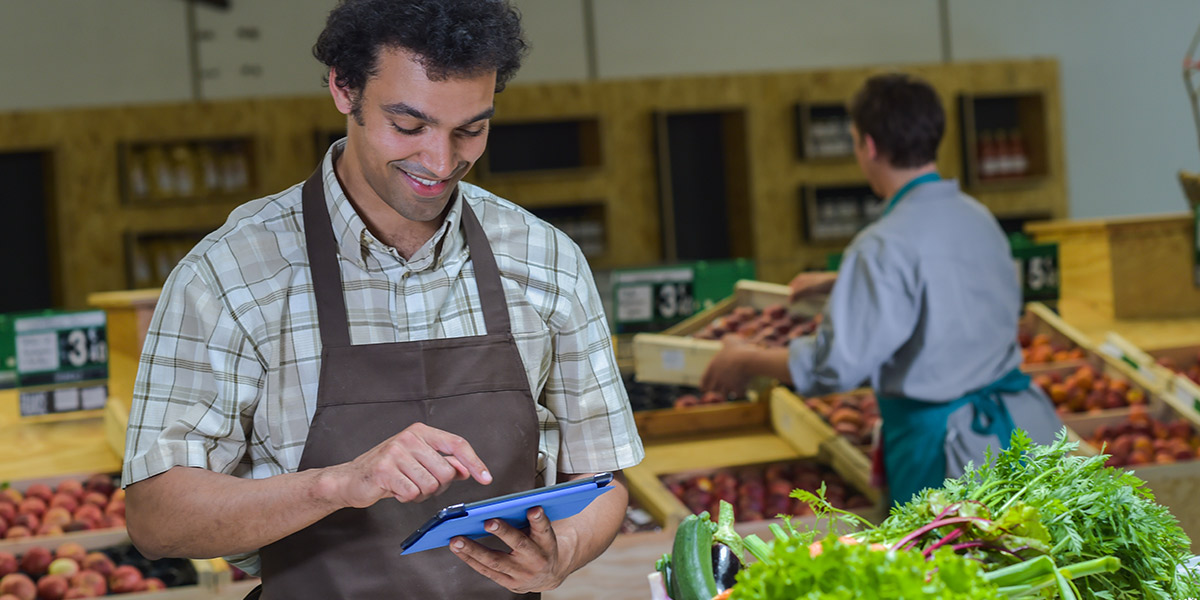
For Grocers, Low Margins Make Compliance a High Priority
Grocery chains simply can’t afford to let salable food spoil in transit – and here’s how to make sure it doesn’t happen.
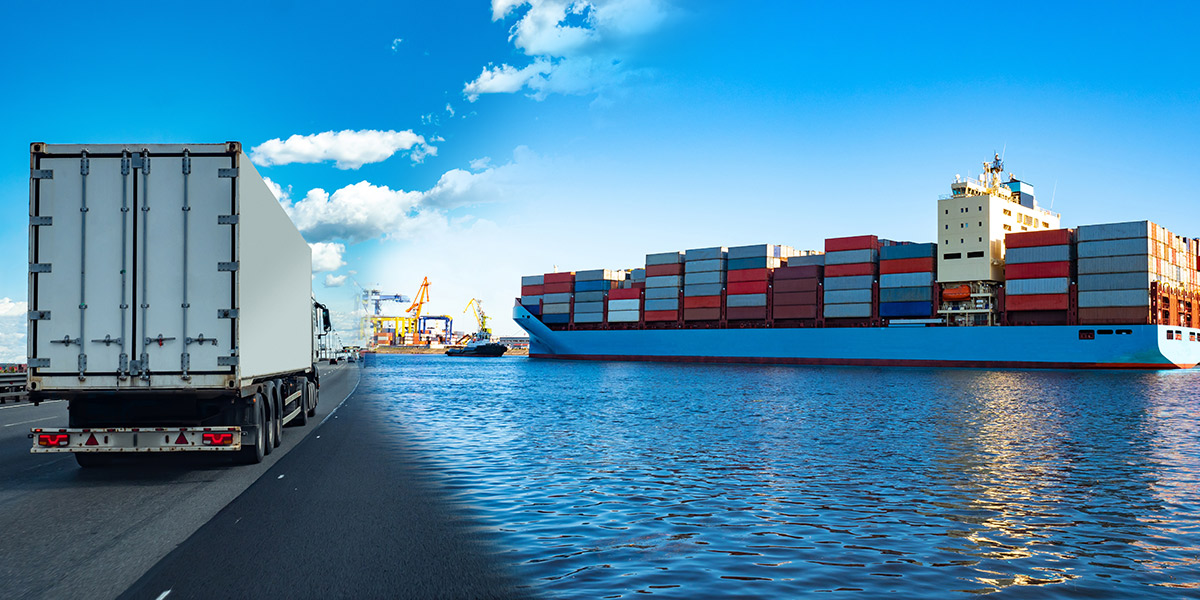
Given the Volatility of Ocean Freight Rates, Ensuring Food Safety Is More Important Than Ever
As locally and domestically sourced food becomes a more cost effective and less risky alternative, don’t let failing to comply with FSMA eat into your savings.

When It Comes to Temperature Monitoring, Not All Data Is Created Equal
To get actionable information and insights on your fleet and the food you transport, you need access to temperature data from multiple environments.
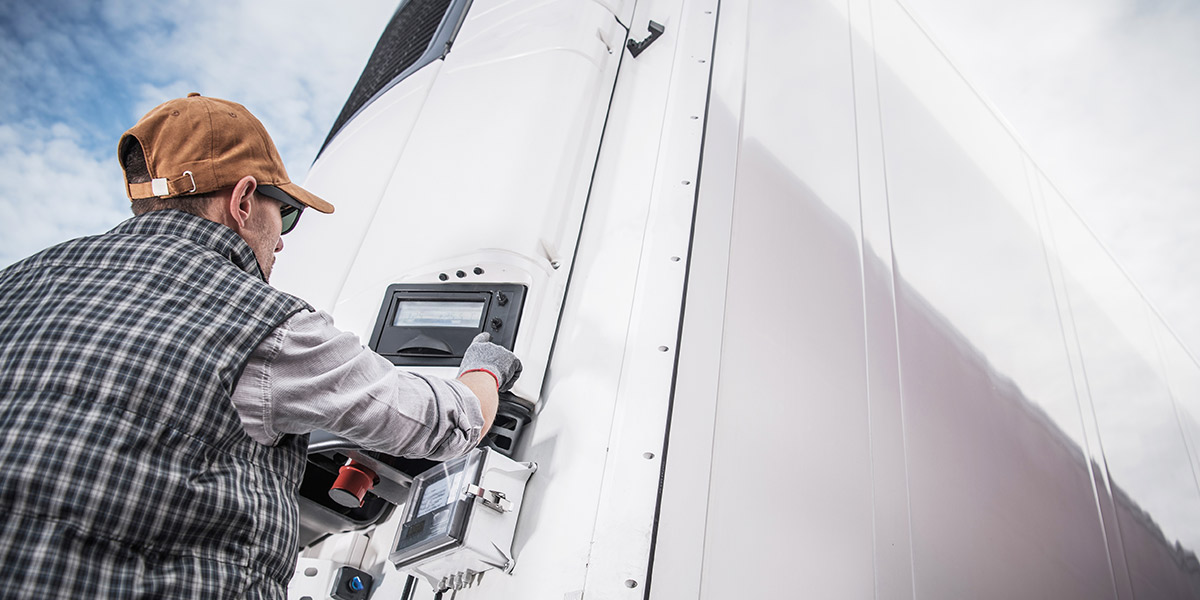
When It Comes to Food Safety – Is Every Step of the Supply Chain Compliant?
Everyone in the cold chain needs to ensure food stays at a safe temperature – a challenge that grows more difficult as more parties are responsible for handling and transporting.

5 Reasons Temperature Tracking Should be a Top Priority for Grocery Chains
Grocery stores – which often control their entire cold chains – have multiple reasons to prioritize compliance and safety when transporting food.
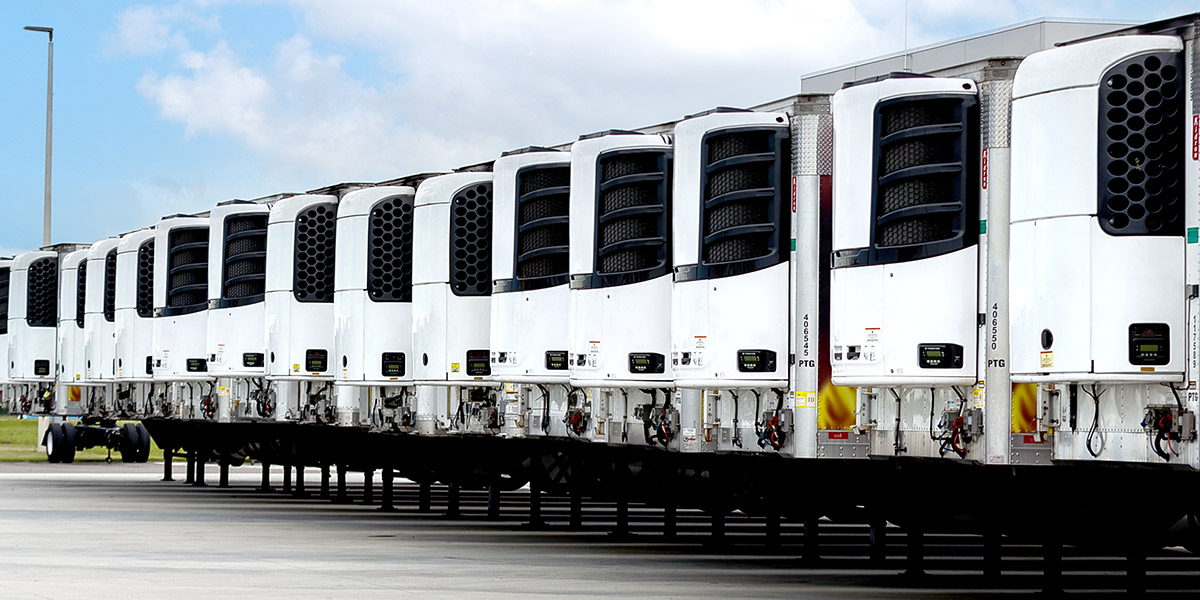
Temperature Management Doesn’t Take Weekends Off
When it comes to maintaining safe food temperatures, the greatest risks are when trailers are left unattended.
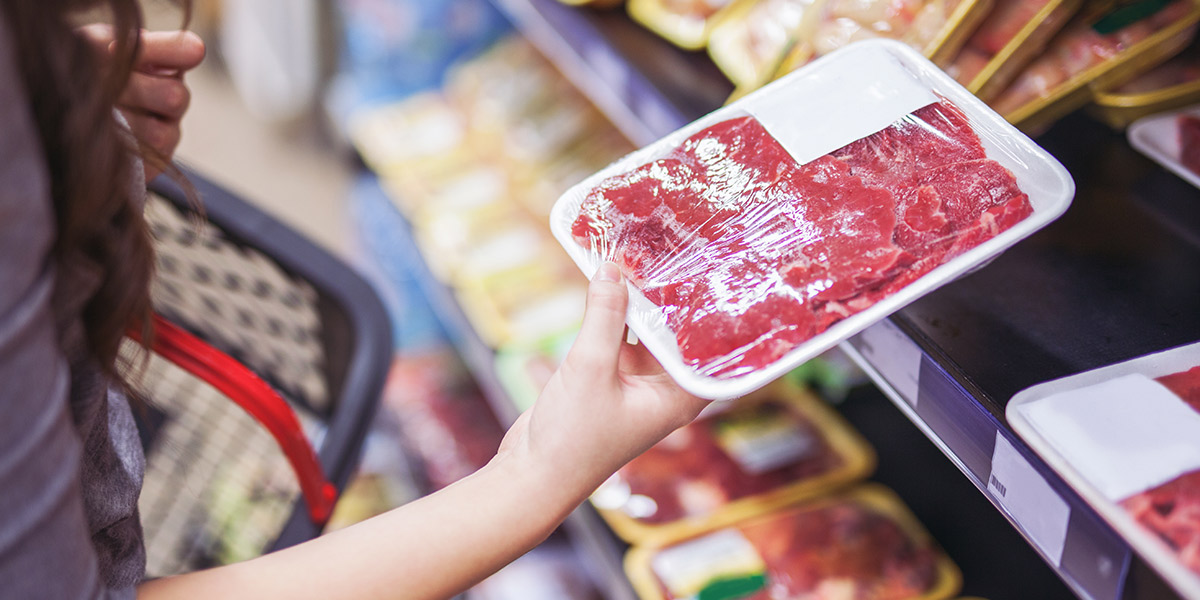
Prevention Is Better Than Hope
When temperature monitoring is available anywhere, anytime, and all the time, there’s no reason to leave food safety to chance.
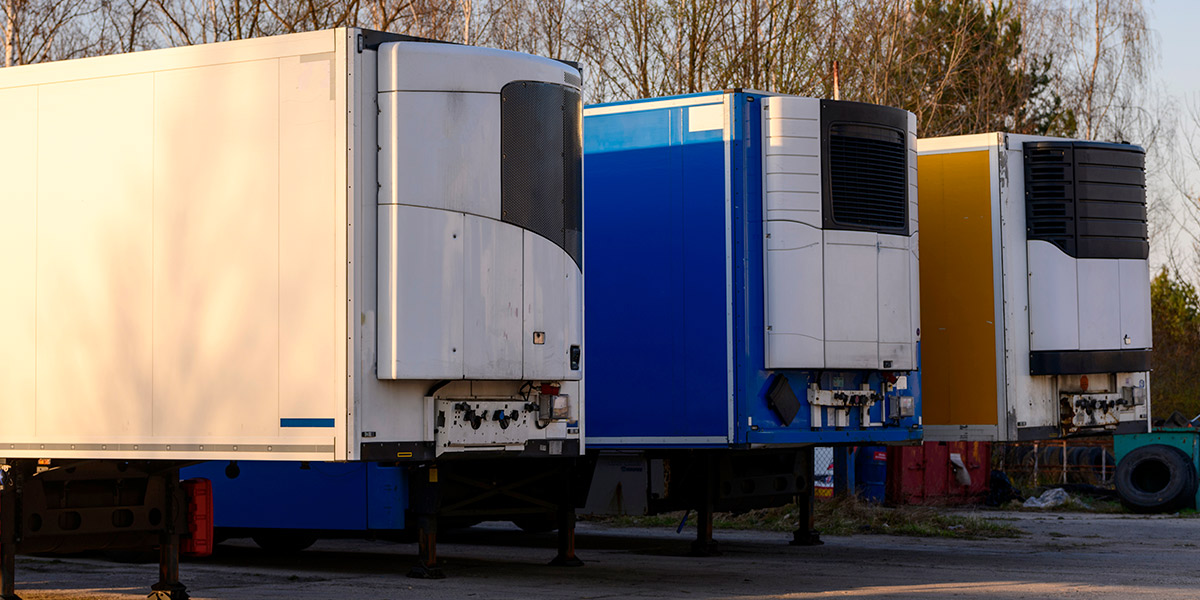
When Your Trailers Are Out of Sight, You May Not See the Risk to Your Business
Easy-to-install temperature monitoring can prevent big losses when your trailers are left unattended.
It could be argued that your ability to ensure the safety of the food you transport comes down to one word – control. You can invest in the best reefers and other equipment. You can hire great drivers and provide the training they need to be compliant. You can adopt temperature monitoring to track food and ambient temperatures throughout the time it is in transport. These are all things you can control. And they are also things you should control....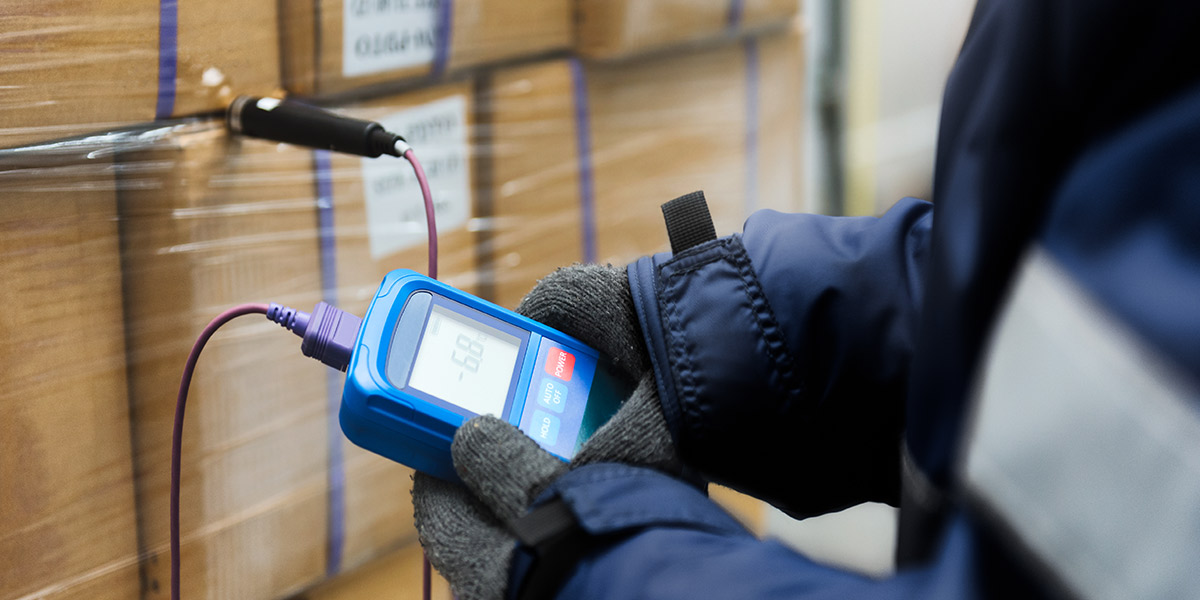
When It Comes to Food Safety, Are You Really Doing Enough?
If you don’t go all in on temperature monitoring, you probably aren’t mitigating risk as effectively as you think.
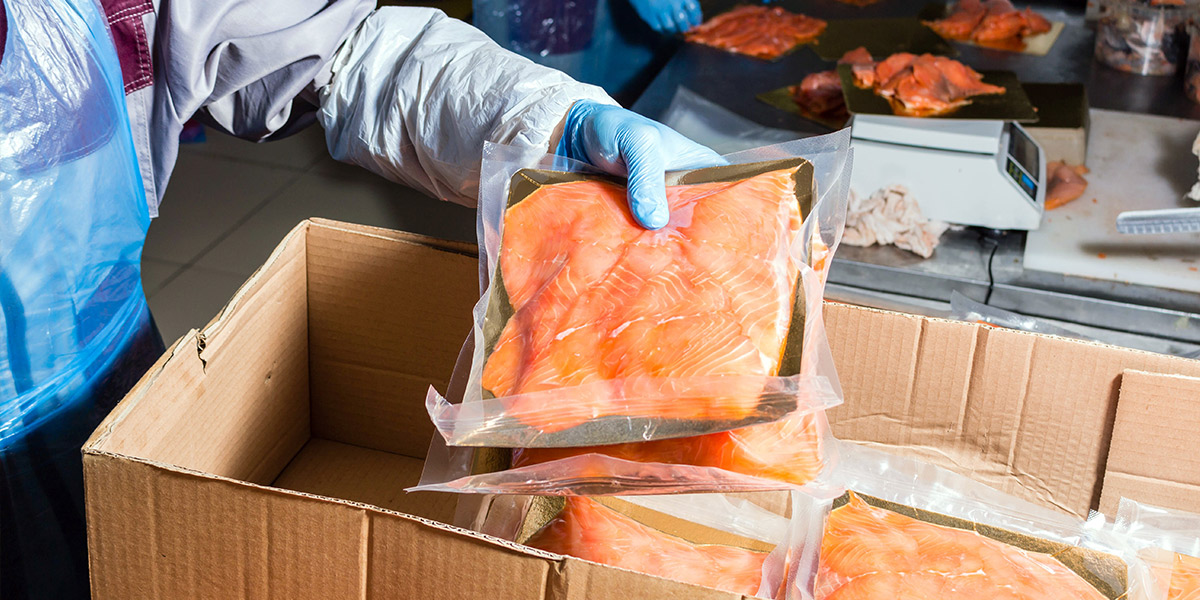
The Benefits of a Scaled Approach to Installing a Food Safety Monitoring System
To ensure safe food temperatures and FSMA compliance, invest in a cloud-based solution that can grow with your business.
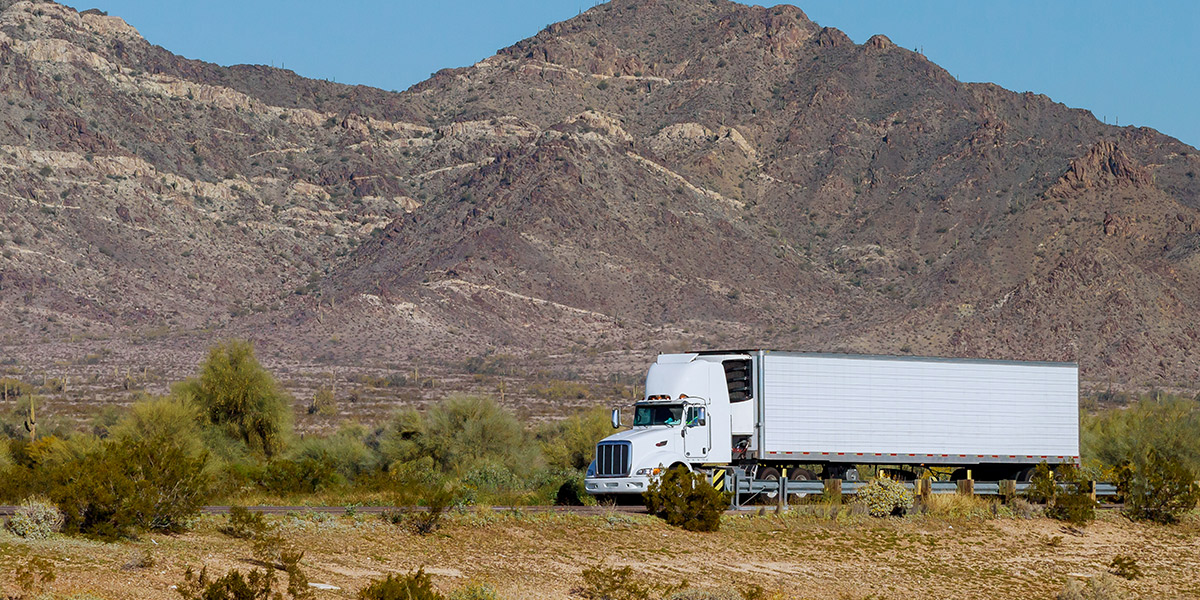
5 Challenges Facing Food Transporters – And How to Address Them
New temperature tracking technology can benefit your food transportation business on multiple fronts.

Addressing Your Greatest Compliance Risk
To stay compliant with FSMA requirements for maintaining safe food temperatures during transport, you’ve invested in state-of-the-art reefers to keep food safe as it travels from Point A to Point B, and beyond.
Load More
Temperature Monitoring 101: Revisiting the Basics
Food safety begins with understanding why temperature monitoring is so important – here are the important things to know and to revisit
Are You Equipped for Growth?
Whether you’re looking to add stores or meet growing demand at your existing locations, it’s time to evaluate your cold chain – and your commitment to food safety
Sweltering Heat Underscores the Importance of Food Safety
Rising temperatures make monitoring temperatures a critical necessity
5 Questions You Need to Ask About Temperature Monitoring and Costs
For peace of mind when it comes to food safety and compliance, you need to answer these critical questions.
For Grocers, With Total Control Comes Great Opportunity
Grocers control their entire cold chain. That also means they have the power to control the costs associated with keeping food safe.
How Temperature Monitoring Can Differentiate Your Business
As a smaller company you can compete with the giants – and realize a strong ROI – by committing to the transport of fresher, safer food
Temperature Monitoring: The Secret Weapon Your Business Needs
From easy-to-install sensors to easy-to-use data, a temperature monitoring system is a simple yet game-changing solution that pays off in multiple ways.
Spring is the Time to Take a Fresh Approach to Temperature Monitoring
With a fresh array of produce and meats available for spring, keeping it all safe during transport should be a bottom-line priority.
In Transporting Food, You Can’t Afford the Risk of a Foodborne Illness
When food isn’t kept at a safe temperature – at every step in its journey – the consequences to your company can be huge.
For Grocers, Low Margins Make Compliance a High Priority
Grocery chains simply can’t afford to let salable food spoil in transit – and here’s how to make sure it doesn’t happen.
Given the Volatility of Ocean Freight Rates, Ensuring Food Safety Is More Important Than Ever
As locally and domestically sourced food becomes a more cost effective and less risky alternative, don’t let failing to comply with FSMA eat into your savings.
When It Comes to Temperature Monitoring, Not All Data Is Created Equal
To get actionable information and insights on your fleet and the food you transport, you need access to temperature data from multiple environments.
When It Comes to Food Safety – Is Every Step of the Supply Chain Compliant?
Everyone in the cold chain needs to ensure food stays at a safe temperature – a challenge that grows more difficult as more parties are responsible for handling and transporting.
5 Reasons Temperature Tracking Should be a Top Priority for Grocery Chains
Grocery stores – which often control their entire cold chains – have multiple reasons to prioritize compliance and safety when transporting food.
Temperature Management Doesn’t Take Weekends Off
When it comes to maintaining safe food temperatures, the greatest risks are when trailers are left unattended.
Prevention Is Better Than Hope
When temperature monitoring is available anywhere, anytime, and all the time, there’s no reason to leave food safety to chance.
When Your Trailers Are Out of Sight, You May Not See the Risk to Your Business
Easy-to-install temperature monitoring can prevent big losses when your trailers are left unattended.
It could be argued that your ability to ensure the safety of the food you transport comes down to one word – control. You can invest in the best reefers and other equipment. You can hire great drivers and provide the training they need to be compliant. You can adopt temperature monitoring to track food and ambient temperatures throughout the time it is in transport. These are all things you can control. And they are also things you should control....
When It Comes to Food Safety, Are You Really Doing Enough?
If you don’t go all in on temperature monitoring, you probably aren’t mitigating risk as effectively as you think.
The Benefits of a Scaled Approach to Installing a Food Safety Monitoring System
To ensure safe food temperatures and FSMA compliance, invest in a cloud-based solution that can grow with your business.
5 Challenges Facing Food Transporters – And How to Address Them
New temperature tracking technology can benefit your food transportation business on multiple fronts.
Addressing Your Greatest Compliance Risk
To stay compliant with FSMA requirements for maintaining safe food temperatures during transport, you’ve invested in state-of-the-art reefers to keep food safe as it travels from Point A to Point B, and beyond.
Load More
Temperature Monitoring 101: Revisiting the Basics
Food safety begins with understanding why temperature monitoring is so important – here are the important things to know and to revisit
Are You Equipped for Growth?
Whether you’re looking to add stores or meet growing demand at your existing locations, it’s time to evaluate your cold chain – and your commitment to food safety
Sweltering Heat Underscores the Importance of Food Safety
Rising temperatures make monitoring temperatures a critical necessity
5 Questions You Need to Ask About Temperature Monitoring and Costs
For peace of mind when it comes to food safety and compliance, you need to answer these critical questions.
For Grocers, With Total Control Comes Great Opportunity
Grocers control their entire cold chain. That also means they have the power to control the costs associated with keeping food safe.
How Temperature Monitoring Can Differentiate Your Business
As a smaller company you can compete with the giants – and realize a strong ROI – by committing to the transport of fresher, safer food
Temperature Monitoring: The Secret Weapon Your Business Needs
From easy-to-install sensors to easy-to-use data, a temperature monitoring system is a simple yet game-changing solution that pays off in multiple ways.
In Transporting Food, You Can’t Afford the Risk of a Foodborne Illness
When food isn’t kept at a safe temperature – at every step in its journey – the consequences to your company can be huge.
For Grocers, Low Margins Make Compliance a High Priority
Grocery chains simply can’t afford to let salable food spoil in transit – and here’s how to make sure it doesn’t happen.
Given the Volatility of Ocean Freight Rates, Ensuring Food Safety Is More Important Than Ever
As locally and domestically sourced food becomes a more cost effective and less risky alternative, don’t let failing to comply with FSMA eat into your savings.
When It Comes to Temperature Monitoring, Not All Data Is Created Equal
To get actionable information and insights on your fleet and the food you transport, you need access to temperature data from multiple environments.
Prevention Is Better Than Hope
When temperature monitoring is available anywhere, anytime, and all the time, there’s no reason to leave food safety to chance.
When Your Trailers Are Out of Sight, You May Not See the Risk to Your Business
Easy-to-install temperature monitoring can prevent big losses when your trailers are left unattended.
It could be argued that your ability to ensure the safety of the food you transport comes down to one word – control. You can invest in the best reefers and other equipment. You can hire great drivers and provide the training they need to be compliant. You can adopt temperature monitoring to track food and ambient temperatures throughout the time it is in transport. These are all things you can control. And they are also things you should control....
When It Comes to Food Safety, Are You Really Doing Enough?
If you don’t go all in on temperature monitoring, you probably aren’t mitigating risk as effectively as you think.
The Benefits of a Scaled Approach to Installing a Food Safety Monitoring System
To ensure safe food temperatures and FSMA compliance, invest in a cloud-based solution that can grow with your business.
5 Challenges Facing Food Transporters – And How to Address Them
New temperature tracking technology can benefit your food transportation business on multiple fronts.
Addressing Your Greatest Compliance Risk
To stay compliant with FSMA requirements for maintaining safe food temperatures during transport, you’ve invested in state-of-the-art reefers to keep food safe as it travels from Point A to Point B, and beyond.
Load More
5 Questions You Need to Ask About Temperature Monitoring and Costs
For peace of mind when it comes to food safety and compliance, you need to answer these critical questions.
For Grocers, With Total Control Comes Great Opportunity
Grocers control their entire cold chain. That also means they have the power to control the costs associated with keeping food safe.
Temperature Monitoring: The Secret Weapon Your Business Needs
From easy-to-install sensors to easy-to-use data, a temperature monitoring system is a simple yet game-changing solution that pays off in multiple ways.
For Grocers, Low Margins Make Compliance a High Priority
Grocery chains simply can’t afford to let salable food spoil in transit – and here’s how to make sure it doesn’t happen.
Given the Volatility of Ocean Freight Rates, Ensuring Food Safety Is More Important Than Ever
As locally and domestically sourced food becomes a more cost effective and less risky alternative, don’t let failing to comply with FSMA eat into your savings.
When It Comes to Food Safety – Is Every Step of the Supply Chain Compliant?
Everyone in the cold chain needs to ensure food stays at a safe temperature – a challenge that grows more difficult as more parties are responsible for handling and transporting.
5 Reasons Temperature Tracking Should be a Top Priority for Grocery Chains
Grocery stores – which often control their entire cold chains – have multiple reasons to prioritize compliance and safety when transporting food.
When Your Trailers Are Out of Sight, You May Not See the Risk to Your Business
Easy-to-install temperature monitoring can prevent big losses when your trailers are left unattended.
It could be argued that your ability to ensure the safety of the food you transport comes down to one word – control. You can invest in the best reefers and other equipment. You can hire great drivers and provide the training they need to be compliant. You can adopt temperature monitoring to track food and ambient temperatures throughout the time it is in transport. These are all things you can control. And they are also things you should control....
The Benefits of a Scaled Approach to Installing a Food Safety Monitoring System
To ensure safe food temperatures and FSMA compliance, invest in a cloud-based solution that can grow with your business.
Addressing Your Greatest Compliance Risk
To stay compliant with FSMA requirements for maintaining safe food temperatures during transport, you’ve invested in state-of-the-art reefers to keep food safe as it travels from Point A to Point B, and beyond.
Temperature Monitoring 101: Revisiting the Basics
Food safety begins with understanding why temperature monitoring is so important – here are the important things to know and to revisit
Are You Equipped for Growth?
Whether you’re looking to add stores or meet growing demand at your existing locations, it’s time to evaluate your cold chain – and your commitment to food safety
Sweltering Heat Underscores the Importance of Food Safety
Rising temperatures make monitoring temperatures a critical necessity
5 Questions You Need to Ask About Temperature Monitoring and Costs
For peace of mind when it comes to food safety and compliance, you need to answer these critical questions.
For Grocers, With Total Control Comes Great Opportunity
Grocers control their entire cold chain. That also means they have the power to control the costs associated with keeping food safe.
How Temperature Monitoring Can Differentiate Your Business
As a smaller company you can compete with the giants – and realize a strong ROI – by committing to the transport of fresher, safer food
Temperature Monitoring: The Secret Weapon Your Business Needs
From easy-to-install sensors to easy-to-use data, a temperature monitoring system is a simple yet game-changing solution that pays off in multiple ways.
In Transporting Food, You Can’t Afford the Risk of a Foodborne Illness
When food isn’t kept at a safe temperature – at every step in its journey – the consequences to your company can be huge.
When It Comes to Temperature Monitoring, Not All Data Is Created Equal
To get actionable information and insights on your fleet and the food you transport, you need access to temperature data from multiple environments.
When Your Trailers Are Out of Sight, You May Not See the Risk to Your Business
Easy-to-install temperature monitoring can prevent big losses when your trailers are left unattended.
It could be argued that your ability to ensure the safety of the food you transport comes down to one word – control. You can invest in the best reefers and other equipment. You can hire great drivers and provide the training they need to be compliant. You can adopt temperature monitoring to track food and ambient temperatures throughout the time it is in transport. These are all things you can control. And they are also things you should control....
The Benefits of a Scaled Approach to Installing a Food Safety Monitoring System
To ensure safe food temperatures and FSMA compliance, invest in a cloud-based solution that can grow with your business.
5 Challenges Facing Food Transporters – And How to Address Them
New temperature tracking technology can benefit your food transportation business on multiple fronts.
Addressing Your Greatest Compliance Risk
To stay compliant with FSMA requirements for maintaining safe food temperatures during transport, you’ve invested in state-of-the-art reefers to keep food safe as it travels from Point A to Point B, and beyond.
Load More
Temperature Monitoring 101: Revisiting the Basics
Food safety begins with understanding why temperature monitoring is so important – here are the important things to know and to revisit
Are You Equipped for Growth?
Whether you’re looking to add stores or meet growing demand at your existing locations, it’s time to evaluate your cold chain – and your commitment to food safety
Sweltering Heat Underscores the Importance of Food Safety
Rising temperatures make monitoring temperatures a critical necessity
5 Questions You Need to Ask About Temperature Monitoring and Costs
For peace of mind when it comes to food safety and compliance, you need to answer these critical questions.
Temperature Monitoring: The Secret Weapon Your Business Needs
From easy-to-install sensors to easy-to-use data, a temperature monitoring system is a simple yet game-changing solution that pays off in multiple ways.
Given the Volatility of Ocean Freight Rates, Ensuring Food Safety Is More Important Than Ever
As locally and domestically sourced food becomes a more cost effective and less risky alternative, don’t let failing to comply with FSMA eat into your savings.
5 Reasons Temperature Tracking Should be a Top Priority for Grocery Chains
Grocery stores – which often control their entire cold chains – have multiple reasons to prioritize compliance and safety when transporting food.
Prevention Is Better Than Hope
When temperature monitoring is available anywhere, anytime, and all the time, there’s no reason to leave food safety to chance.
When Your Trailers Are Out of Sight, You May Not See the Risk to Your Business
Easy-to-install temperature monitoring can prevent big losses when your trailers are left unattended.
It could be argued that your ability to ensure the safety of the food you transport comes down to one word – control. You can invest in the best reefers and other equipment. You can hire great drivers and provide the training they need to be compliant. You can adopt temperature monitoring to track food and ambient temperatures throughout the time it is in transport. These are all things you can control. And they are also things you should control....
5 Challenges Facing Food Transporters – And How to Address Them
New temperature tracking technology can benefit your food transportation business on multiple fronts.
Addressing Your Greatest Compliance Risk
To stay compliant with FSMA requirements for maintaining safe food temperatures during transport, you’ve invested in state-of-the-art reefers to keep food safe as it travels from Point A to Point B, and beyond.
Load More
Temperature Monitoring 101: Revisiting the Basics
Food safety begins with understanding why temperature monitoring is so important – here are the important things to know and to revisit
Are You Equipped for Growth?
Whether you’re looking to add stores or meet growing demand at your existing locations, it’s time to evaluate your cold chain – and your commitment to food safety
Sweltering Heat Underscores the Importance of Food Safety
Rising temperatures make monitoring temperatures a critical necessity
5 Questions You Need to Ask About Temperature Monitoring and Costs
For peace of mind when it comes to food safety and compliance, you need to answer these critical questions.
For Grocers, With Total Control Comes Great Opportunity
Grocers control their entire cold chain. That also means they have the power to control the costs associated with keeping food safe.
How Temperature Monitoring Can Differentiate Your Business
As a smaller company you can compete with the giants – and realize a strong ROI – by committing to the transport of fresher, safer food
Temperature Monitoring: The Secret Weapon Your Business Needs
From easy-to-install sensors to easy-to-use data, a temperature monitoring system is a simple yet game-changing solution that pays off in multiple ways.
Spring is the Time to Take a Fresh Approach to Temperature Monitoring
With a fresh array of produce and meats available for spring, keeping it all safe during transport should be a bottom-line priority.
In Transporting Food, You Can’t Afford the Risk of a Foodborne Illness
When food isn’t kept at a safe temperature – at every step in its journey – the consequences to your company can be huge.
For Grocers, Low Margins Make Compliance a High Priority
Grocery chains simply can’t afford to let salable food spoil in transit – and here’s how to make sure it doesn’t happen.
Given the Volatility of Ocean Freight Rates, Ensuring Food Safety Is More Important Than Ever
As locally and domestically sourced food becomes a more cost effective and less risky alternative, don’t let failing to comply with FSMA eat into your savings.
When It Comes to Temperature Monitoring, Not All Data Is Created Equal
To get actionable information and insights on your fleet and the food you transport, you need access to temperature data from multiple environments.
Prevention Is Better Than Hope
When temperature monitoring is available anywhere, anytime, and all the time, there’s no reason to leave food safety to chance.
When Your Trailers Are Out of Sight, You May Not See the Risk to Your Business
Easy-to-install temperature monitoring can prevent big losses when your trailers are left unattended.
It could be argued that your ability to ensure the safety of the food you transport comes down to one word – control. You can invest in the best reefers and other equipment. You can hire great drivers and provide the training they need to be compliant. You can adopt temperature monitoring to track food and ambient temperatures throughout the time it is in transport. These are all things you can control. And they are also things you should control....
When It Comes to Food Safety, Are You Really Doing Enough?
If you don’t go all in on temperature monitoring, you probably aren’t mitigating risk as effectively as you think.
The Benefits of a Scaled Approach to Installing a Food Safety Monitoring System
To ensure safe food temperatures and FSMA compliance, invest in a cloud-based solution that can grow with your business.
5 Challenges Facing Food Transporters – And How to Address Them
New temperature tracking technology can benefit your food transportation business on multiple fronts.
Addressing Your Greatest Compliance Risk
To stay compliant with FSMA requirements for maintaining safe food temperatures during transport, you’ve invested in state-of-the-art reefers to keep food safe as it travels from Point A to Point B, and beyond.
Load More
Temperature Monitoring 101: Revisiting the Basics
Food safety begins with understanding why temperature monitoring is so important – here are the important things to know and to revisit
Are You Equipped for Growth?
Whether you’re looking to add stores or meet growing demand at your existing locations, it’s time to evaluate your cold chain – and your commitment to food safety
Sweltering Heat Underscores the Importance of Food Safety
Rising temperatures make monitoring temperatures a critical necessity
5 Questions You Need to Ask About Temperature Monitoring and Costs
For peace of mind when it comes to food safety and compliance, you need to answer these critical questions.
For Grocers, With Total Control Comes Great Opportunity
Grocers control their entire cold chain. That also means they have the power to control the costs associated with keeping food safe.
How Temperature Monitoring Can Differentiate Your Business
As a smaller company you can compete with the giants – and realize a strong ROI – by committing to the transport of fresher, safer food
Temperature Monitoring: The Secret Weapon Your Business Needs
From easy-to-install sensors to easy-to-use data, a temperature monitoring system is a simple yet game-changing solution that pays off in multiple ways.
Spring is the Time to Take a Fresh Approach to Temperature Monitoring
With a fresh array of produce and meats available for spring, keeping it all safe during transport should be a bottom-line priority.
In Transporting Food, You Can’t Afford the Risk of a Foodborne Illness
When food isn’t kept at a safe temperature – at every step in its journey – the consequences to your company can be huge.
For Grocers, Low Margins Make Compliance a High Priority
Grocery chains simply can’t afford to let salable food spoil in transit – and here’s how to make sure it doesn’t happen.
When It Comes to Temperature Monitoring, Not All Data Is Created Equal
To get actionable information and insights on your fleet and the food you transport, you need access to temperature data from multiple environments.
Prevention Is Better Than Hope
When temperature monitoring is available anywhere, anytime, and all the time, there’s no reason to leave food safety to chance.
The Benefits of a Scaled Approach to Installing a Food Safety Monitoring System
To ensure safe food temperatures and FSMA compliance, invest in a cloud-based solution that can grow with your business.
5 Challenges Facing Food Transporters – And How to Address Them
New temperature tracking technology can benefit your food transportation business on multiple fronts.
Addressing Your Greatest Compliance Risk
To stay compliant with FSMA requirements for maintaining safe food temperatures during transport, you’ve invested in state-of-the-art reefers to keep food safe as it travels from Point A to Point B, and beyond.
Load More
Temperature Monitoring 101: Revisiting the Basics
Food safety begins with understanding why temperature monitoring is so important – here are the important things to know and to revisit
Are You Equipped for Growth?
Whether you’re looking to add stores or meet growing demand at your existing locations, it’s time to evaluate your cold chain – and your commitment to food safety
Sweltering Heat Underscores the Importance of Food Safety
Rising temperatures make monitoring temperatures a critical necessity
5 Questions You Need to Ask About Temperature Monitoring and Costs
For peace of mind when it comes to food safety and compliance, you need to answer these critical questions.
How Temperature Monitoring Can Differentiate Your Business
As a smaller company you can compete with the giants – and realize a strong ROI – by committing to the transport of fresher, safer food
Temperature Monitoring: The Secret Weapon Your Business Needs
From easy-to-install sensors to easy-to-use data, a temperature monitoring system is a simple yet game-changing solution that pays off in multiple ways.
Spring is the Time to Take a Fresh Approach to Temperature Monitoring
With a fresh array of produce and meats available for spring, keeping it all safe during transport should be a bottom-line priority.
In Transporting Food, You Can’t Afford the Risk of a Foodborne Illness
When food isn’t kept at a safe temperature – at every step in its journey – the consequences to your company can be huge.
When It Comes to Temperature Monitoring, Not All Data Is Created Equal
To get actionable information and insights on your fleet and the food you transport, you need access to temperature data from multiple environments.
When It Comes to Food Safety – Is Every Step of the Supply Chain Compliant?
Everyone in the cold chain needs to ensure food stays at a safe temperature – a challenge that grows more difficult as more parties are responsible for handling and transporting.
5 Reasons Temperature Tracking Should be a Top Priority for Grocery Chains
Grocery stores – which often control their entire cold chains – have multiple reasons to prioritize compliance and safety when transporting food.
Temperature Management Doesn’t Take Weekends Off
When it comes to maintaining safe food temperatures, the greatest risks are when trailers are left unattended.
Prevention Is Better Than Hope
When temperature monitoring is available anywhere, anytime, and all the time, there’s no reason to leave food safety to chance.
When Your Trailers Are Out of Sight, You May Not See the Risk to Your Business
Easy-to-install temperature monitoring can prevent big losses when your trailers are left unattended.
It could be argued that your ability to ensure the safety of the food you transport comes down to one word – control. You can invest in the best reefers and other equipment. You can hire great drivers and provide the training they need to be compliant. You can adopt temperature monitoring to track food and ambient temperatures throughout the time it is in transport. These are all things you can control. And they are also things you should control....
5 Challenges Facing Food Transporters – And How to Address Them
New temperature tracking technology can benefit your food transportation business on multiple fronts.
Addressing Your Greatest Compliance Risk
To stay compliant with FSMA requirements for maintaining safe food temperatures during transport, you’ve invested in state-of-the-art reefers to keep food safe as it travels from Point A to Point B, and beyond.
Load More
Temperature Monitoring 101: Revisiting the Basics
Food safety begins with understanding why temperature monitoring is so important – here are the important things to know and to revisit
Are You Equipped for Growth?
Whether you’re looking to add stores or meet growing demand at your existing locations, it’s time to evaluate your cold chain – and your commitment to food safety
Sweltering Heat Underscores the Importance of Food Safety
Rising temperatures make monitoring temperatures a critical necessity
5 Questions You Need to Ask About Temperature Monitoring and Costs
For peace of mind when it comes to food safety and compliance, you need to answer these critical questions.
How Temperature Monitoring Can Differentiate Your Business
As a smaller company you can compete with the giants – and realize a strong ROI – by committing to the transport of fresher, safer food
Temperature Monitoring: The Secret Weapon Your Business Needs
From easy-to-install sensors to easy-to-use data, a temperature monitoring system is a simple yet game-changing solution that pays off in multiple ways.
Spring is the Time to Take a Fresh Approach to Temperature Monitoring
With a fresh array of produce and meats available for spring, keeping it all safe during transport should be a bottom-line priority.
In Transporting Food, You Can’t Afford the Risk of a Foodborne Illness
When food isn’t kept at a safe temperature – at every step in its journey – the consequences to your company can be huge.
When It Comes to Temperature Monitoring, Not All Data Is Created Equal
To get actionable information and insights on your fleet and the food you transport, you need access to temperature data from multiple environments.
Temperature Management Doesn’t Take Weekends Off
When it comes to maintaining safe food temperatures, the greatest risks are when trailers are left unattended.
Prevention Is Better Than Hope
When temperature monitoring is available anywhere, anytime, and all the time, there’s no reason to leave food safety to chance.
When Your Trailers Are Out of Sight, You May Not See the Risk to Your Business
Easy-to-install temperature monitoring can prevent big losses when your trailers are left unattended.
It could be argued that your ability to ensure the safety of the food you transport comes down to one word – control. You can invest in the best reefers and other equipment. You can hire great drivers and provide the training they need to be compliant. You can adopt temperature monitoring to track food and ambient temperatures throughout the time it is in transport. These are all things you can control. And they are also things you should control....
5 Challenges Facing Food Transporters – And How to Address Them
New temperature tracking technology can benefit your food transportation business on multiple fronts.
Addressing Your Greatest Compliance Risk
To stay compliant with FSMA requirements for maintaining safe food temperatures during transport, you’ve invested in state-of-the-art reefers to keep food safe as it travels from Point A to Point B, and beyond.
Load More
Temperature Monitoring 101: Revisiting the Basics
Food safety begins with understanding why temperature monitoring is so important – here are the important things to know and to revisit
Are You Equipped for Growth?
Whether you’re looking to add stores or meet growing demand at your existing locations, it’s time to evaluate your cold chain – and your commitment to food safety
Sweltering Heat Underscores the Importance of Food Safety
Rising temperatures make monitoring temperatures a critical necessity
5 Questions You Need to Ask About Temperature Monitoring and Costs
For peace of mind when it comes to food safety and compliance, you need to answer these critical questions.
For Grocers, With Total Control Comes Great Opportunity
Grocers control their entire cold chain. That also means they have the power to control the costs associated with keeping food safe.
How Temperature Monitoring Can Differentiate Your Business
As a smaller company you can compete with the giants – and realize a strong ROI – by committing to the transport of fresher, safer food
Temperature Monitoring: The Secret Weapon Your Business Needs
From easy-to-install sensors to easy-to-use data, a temperature monitoring system is a simple yet game-changing solution that pays off in multiple ways.
Spring is the Time to Take a Fresh Approach to Temperature Monitoring
With a fresh array of produce and meats available for spring, keeping it all safe during transport should be a bottom-line priority.
In Transporting Food, You Can’t Afford the Risk of a Foodborne Illness
When food isn’t kept at a safe temperature – at every step in its journey – the consequences to your company can be huge.
When It Comes to Temperature Monitoring, Not All Data Is Created Equal
To get actionable information and insights on your fleet and the food you transport, you need access to temperature data from multiple environments.
When It Comes to Food Safety – Is Every Step of the Supply Chain Compliant?
Everyone in the cold chain needs to ensure food stays at a safe temperature – a challenge that grows more difficult as more parties are responsible for handling and transporting.
5 Reasons Temperature Tracking Should be a Top Priority for Grocery Chains
Grocery stores – which often control their entire cold chains – have multiple reasons to prioritize compliance and safety when transporting food.
Temperature Management Doesn’t Take Weekends Off
When it comes to maintaining safe food temperatures, the greatest risks are when trailers are left unattended.
Prevention Is Better Than Hope
When temperature monitoring is available anywhere, anytime, and all the time, there’s no reason to leave food safety to chance.
When Your Trailers Are Out of Sight, You May Not See the Risk to Your Business
Easy-to-install temperature monitoring can prevent big losses when your trailers are left unattended.
It could be argued that your ability to ensure the safety of the food you transport comes down to one word – control. You can invest in the best reefers and other equipment. You can hire great drivers and provide the training they need to be compliant. You can adopt temperature monitoring to track food and ambient temperatures throughout the time it is in transport. These are all things you can control. And they are also things you should control....
When It Comes to Food Safety, Are You Really Doing Enough?
If you don’t go all in on temperature monitoring, you probably aren’t mitigating risk as effectively as you think.
The Benefits of a Scaled Approach to Installing a Food Safety Monitoring System
To ensure safe food temperatures and FSMA compliance, invest in a cloud-based solution that can grow with your business.
5 Challenges Facing Food Transporters – And How to Address Them
New temperature tracking technology can benefit your food transportation business on multiple fronts.
Addressing Your Greatest Compliance Risk
To stay compliant with FSMA requirements for maintaining safe food temperatures during transport, you’ve invested in state-of-the-art reefers to keep food safe as it travels from Point A to Point B, and beyond.
Load More
5 Questions You Need to Ask About Temperature Monitoring and Costs
For peace of mind when it comes to food safety and compliance, you need to answer these critical questions.
Temperature Monitoring: The Secret Weapon Your Business Needs
From easy-to-install sensors to easy-to-use data, a temperature monitoring system is a simple yet game-changing solution that pays off in multiple ways.
For Grocers, Low Margins Make Compliance a High Priority
Grocery chains simply can’t afford to let salable food spoil in transit – and here’s how to make sure it doesn’t happen.
When It Comes to Temperature Monitoring, Not All Data Is Created Equal
To get actionable information and insights on your fleet and the food you transport, you need access to temperature data from multiple environments.
When It Comes to Food Safety – Is Every Step of the Supply Chain Compliant?
Everyone in the cold chain needs to ensure food stays at a safe temperature – a challenge that grows more difficult as more parties are responsible for handling and transporting.
5 Reasons Temperature Tracking Should be a Top Priority for Grocery Chains
Grocery stores – which often control their entire cold chains – have multiple reasons to prioritize compliance and safety when transporting food.
Temperature Management Doesn’t Take Weekends Off
When it comes to maintaining safe food temperatures, the greatest risks are when trailers are left unattended.
When Your Trailers Are Out of Sight, You May Not See the Risk to Your Business
Easy-to-install temperature monitoring can prevent big losses when your trailers are left unattended.
It could be argued that your ability to ensure the safety of the food you transport comes down to one word – control. You can invest in the best reefers and other equipment. You can hire great drivers and provide the training they need to be compliant. You can adopt temperature monitoring to track food and ambient temperatures throughout the time it is in transport. These are all things you can control. And they are also things you should control....
The Benefits of a Scaled Approach to Installing a Food Safety Monitoring System
To ensure safe food temperatures and FSMA compliance, invest in a cloud-based solution that can grow with your business.
5 Challenges Facing Food Transporters – And How to Address Them
New temperature tracking technology can benefit your food transportation business on multiple fronts.
Addressing Your Greatest Compliance Risk
To stay compliant with FSMA requirements for maintaining safe food temperatures during transport, you’ve invested in state-of-the-art reefers to keep food safe as it travels from Point A to Point B, and beyond.
Load More
5 Questions You Need to Ask About Temperature Monitoring and Costs
For peace of mind when it comes to food safety and compliance, you need to answer these critical questions.
Temperature Monitoring: The Secret Weapon Your Business Needs
From easy-to-install sensors to easy-to-use data, a temperature monitoring system is a simple yet game-changing solution that pays off in multiple ways.
For Grocers, Low Margins Make Compliance a High Priority
Grocery chains simply can’t afford to let salable food spoil in transit – and here’s how to make sure it doesn’t happen.
The Benefits of a Scaled Approach to Installing a Food Safety Monitoring System
To ensure safe food temperatures and FSMA compliance, invest in a cloud-based solution that can grow with your business.
Addressing Your Greatest Compliance Risk
To stay compliant with FSMA requirements for maintaining safe food temperatures during transport, you’ve invested in state-of-the-art reefers to keep food safe as it travels from Point A to Point B, and beyond.